
September 16, 2025

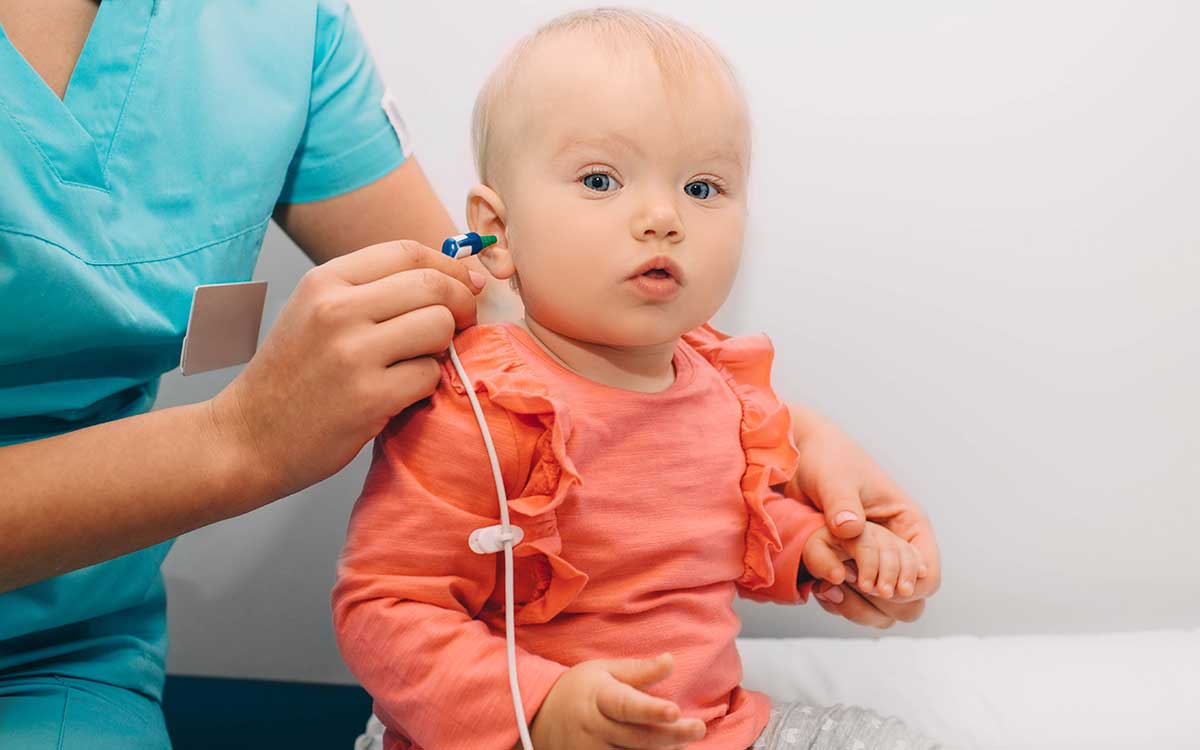
A healthcare professional tests a baby’s hearing by placing an ear probe in the babys ear. The baby, wearing a pink top, sits on an exam table and looks forward.

How Babies With Hearing Loss Can Take Advantage Of Hearing Aids and Cochlear Implants

Discovering that an infant has hearing loss can be an upsetting and emotionally challenging experience for many parents, leaving them feeling lost and uncertain about what the future holds. But the bright side is: With early detection and intervention, babies with hearing loss can thrive. Indeed, they are capable of gaining linguistic skills, refining their
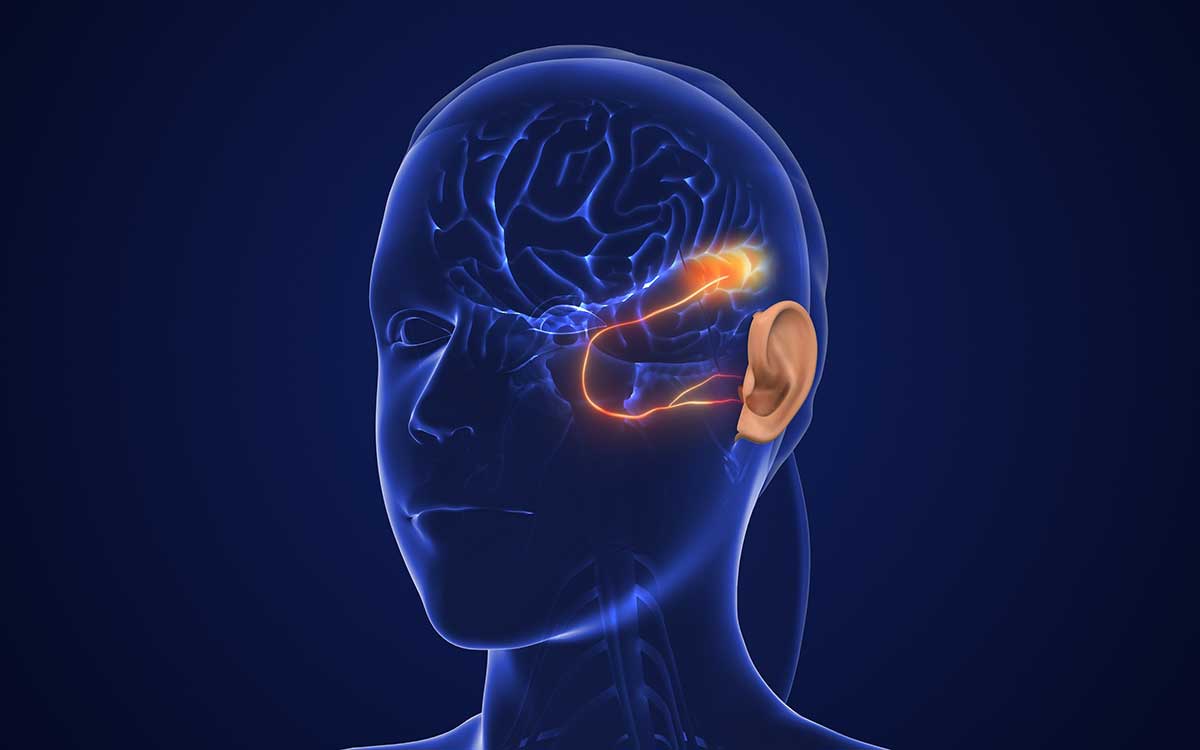
A person with dark hair holds their hand to their ear, covering it as if experiencing discomfort or pain, with a neutral background.

Is Earwax Bad? Recognizing its Function– and When to Remove it

Earwax may not be the most glamorous topic, but it plays an important role in keeping your ears healthy. In contrast to other bodily areas, such as your teeth, feet, or skin, which need regular upkeep to remain clean, earwax is generally self-sufficient and doesn’t require frequent attention. Overly frequent efforts to eliminate it can

A woman with a cochlear implant sits on a couch, smiling as she looks at a smartphone in her hands. A bookshelf is visible in the background.

When is a Cochlear Implant the Best Choice for Hearing Loss?

When hearing aids aren’t enough, cochlear implants can open a new world of sound and connection. These tiny devices are implanted through surgery and are meant for individuals who have moderate to severe hearing impairment and continue to have trouble comprehending speech despite using hearing aids. Who can potentially benefit from a cochlear implant, and

A woman and a young girl with a cochlear implant sit on a couch reading a book together. The girl holds a stuffed animal, and both appear engaged and happy in a bright, cozy room.

Bone Conduction Hearing Devices – What Are They?

When the majority of individuals think of hearing aids, they picture conventional devices that amplify sound through the ear canal. But for people with specific kinds of hearing loss, especially those coping with chronic ear issues or single-sided deafness, a different type of technology could offer better quality and comfort: bone conduction hearing devices. How