Naples Audiology & Hearing Center Hearing Tips

A man lying in bed covers his ears with a pillow and appears frustrated or annoyed, possibly disturbed by noise. He has a beard, long hair tied back, and is partially covered by a white blanket.

Why Is My Tinnitus Louder at Night?

Following a demanding day, a peaceful night of deep sleep is undoubtedly your highest priority. The moment you settle beneath the covers and the household settles into silence, an intrusive phantom noise suddenly commands your full attention. If nocturnal ringing feels magnified compared to daytime levels, you are definitely not misinterpreting your symptoms. This exact

A woman with glasses adjusts a behind-the-ear hearing aid on her right ear. She has light brown hair, wears a white top, a smart watch, and a hoop earring. The background is blurred.

Modern Auditory Devices: Redefining Appearance, Comfort, and Discreet Design

A significant number of patients postpone treating their hearing loss because they harbor concerns regarding device aesthetics and physical comfort. This hesitation is entirely valid given historical product designs! Furthermore, many individuals harbored deep anxieties about social isolation, fearing others would exclude them from discussions based on assumptions of cognitive decline or profound auditory deficits.

An elderly woman with gray hair and glasses smiles while putting on a behind-the-ear hearing aid. She is indoors, wearing a black shirt, with a window and curtain in the background.

Does Medicare Cover Hearing Aids? Here’s the Truth

Does your Medicare plan pay for hearing aids? The straightforward response is no. You will not find hearing aid coverage through Original Medicare. We recognize this is frustrating, and many patients find this lack of coverage unexpected. Fortunately, there’s more to the story. There are other paths (like Medicare Advantage plans, financing options, and additional

A close-up of a person inserting a white wireless earbud into their ear with their hand. The background is blurred, focusing on the ear and the earbud.

Evaluating the Auditory Impact of Headphones and In-Ear Monitors

In modern public spaces, the sight of a young person without some form of in-ear audio is rare. While traditional headphones are more substantial in size, adolescents frequently utilize them to create a private acoustic environment. While acoustic enjoyment is universal across all ages, the youth population often utilizes music as a primary tool for

A younger woman sits on a couch speaking emotionally to an older woman in a striped shirt, who looks away with a distant expression and crossed arms. The scene suggests a serious or tense conversation.

Cognitive Auditory Decline: Understanding Brain-Based Hearing Challenges

Most people think of hearing as something the ears do, which is partly true. But hearing is just as much a brain function as it is an ear function. Cognitive hearing represents the neurological bridge between detecting a frequency and understanding a message. To provide an example, one might experience high-fidelity sound detection but total

Older woman with short gray hair smiles as someone fits a hearing aid behind her ear, against a light background.

How Hearing Aids Stimulate the Brain and Support Cognition

While most assume hearing is localized to the ears, the brain serves as the primary engine for auditory interpretation. Your ears collect sound, but your brain interprets it, turning vibrations into words, meaning, and memories. As hearing loss diminishes input, the brain struggles to maintain a high-fidelity connection to the environment. Over time, reduced stimulation

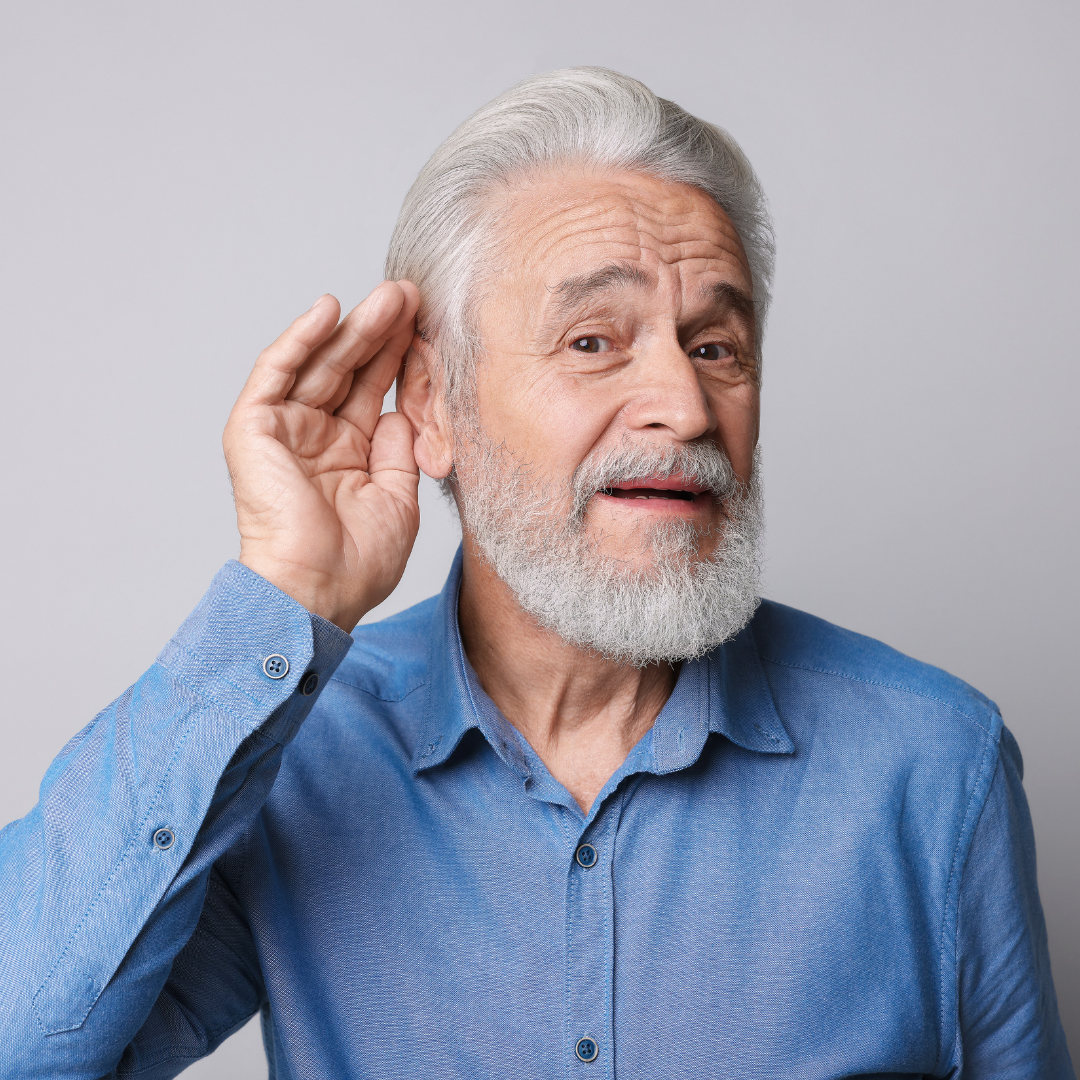
Man in a white t-shirt holding his hand to his ear, appearing to listen carefully with a curious or inquisitive expression, against a plain light gray background.

What is Auditory Fatigue?

Have you ever felt totally drained after a long conversation or social gathering? You may assume you’re just tired, stressed, or overwhelmed. And it’s true that for introverts or people with sensory issues, social situations can be exhausting. Frequently, this specific type of burnout is actually triggered by chronic auditory fatigue. Auditory fatigue occurs when

A woman in a white blouse is whispering to a man in a light blue shirt, who is cupping his ear and leaning in to listen, looking confused or concerned. They are sitting indoors on a couch.

7 Widespread Hearing Loss Myths and the Medical Truths That Refute Them

Prevalent myths regarding hearing loss frequently act as a barrier to necessary audiological treatment. Early diagnostic accuracy is essential for anyone experiencing the onset of hearing loss. Adhering to standard hearing myths often leads to diagnostic delays and a measurable decline in life quality. If you have concerns about your hearing, knowing the truth (and

A woman in a brown coat stands outdoors, holding her collar up and shivering from the cold, with a misty, blurred natural background behind her.

How Seasonal Fluctuations Affect Hearing Loss Symptoms

We usually associate hearing changes with aging or noise exposure, but the time of year can also affect how well we hear. If you perceive winter ear-blocking or heightened summer sensitivity, these are recognized clinical patterns. Occurrences of seasonal hearing loss symptoms are frequently tied to the atmospheric and biological changes of the rotating year.