
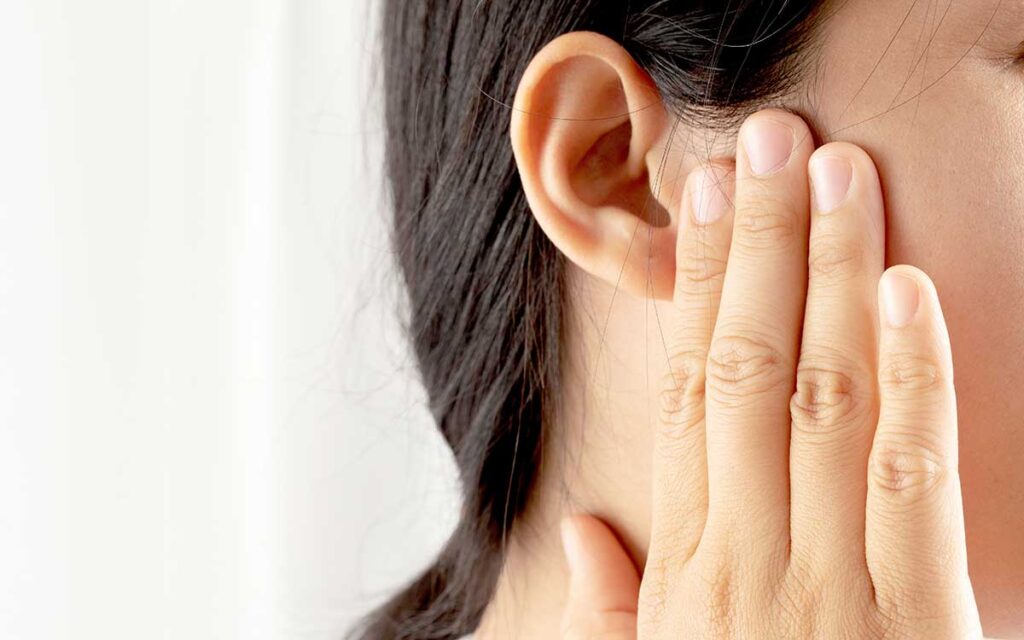

Earwax may not be the most glamorous topic, but it plays an important role in keeping your ears healthy. In contrast to other bodily areas, such as your teeth, feet, or skin, which need regular upkeep to remain clean, earwax is generally self-sufficient and doesn’t require frequent attention. Overly frequent efforts to eliminate it can actually be counterproductive. Here’s what you should know.
What Exactly Is Cerumen?
Earwax, scientifically known as cerumen, is a natural substance made by glands inside your ear canal. It’s a blend of secretions and dead skin cells, and despite its reputation, earwax is actually beneficial. Its primary role is to protect your ears.
Earwax works as a barrier, trapping dust, dirt, and bacteria before they can get to your eardrum. It also helps keep your ear canal hydrated and healthy, reducing dryness and inflammation. Without it, your ears would be more susceptible to infection and damage.
Do You Need to Clean Your Ears?
In most cases, no specific cleaning is required. Your ears have a natural ability to get rid of dirt on their own. Everyday activities– include chewing, talking, showering, and moving about– help push old wax to the surface, where it naturally flakes or washes away.
For the majority of individuals, earwax removal is not a concern that normally calls for attention. However, over time, it can accumulate and turn into a problem for some people.
The Unseen Dangers of Excessive Earwax Buildup
While earwax is typically a friend to our bodies, there are times it can cause trouble, especially if it becomes impacted (blocked or crammed too far into the ear canal).
When earwax becomes a worry: signs of a possible problem
- Using cotton swabs: Many individuals use cotton swabs to clean their ears, but this can actually push wax deeper into the canal, creating an obstruction. It’s okay to use these carefully around the outer ear, but avoid inserting them into the ear canal.
- Using earbuds, hearing aids, or earplugs: These devices can prevent earwax from naturally finding its way out of the ear, resulting in accumulation.
- Making too much wax: Some individuals naturally produce more earwax than others, which can raise the chance of impaction.
Symptoms of Earwax Accumulation: What to Watch For
Excessive Earwax: Possible symptoms and repercussions to be aware of:
- Experiencing difficulty hearing or a muffled sound
- An ear condition distinguished by ringing or buzzing sounds, called tinnitus
- Pain or pressure in the ear
- Vertigo or balance problems
- Ear smell or drainage
In some cases, impacted earwax can even cause an infection. When you experience these symptoms, it’s essential to seek help.
Safe Earwax Removal: Leave It to the Pros
Speaking with a medical professional is recommended if you are experiencing extreme earwax build-up. Your regular physician, an audiologist, or an otolaryngologist can easily and painlessly take it out at their clinic. Some individuals experiment with home remedies such as non-prescription ear drops or ear irrigation kits. These can sometimes be useful, but it’s smart to consult your doctor first– especially if you’ve had ear surgery, you have a history of ear infections, or you use hearing aids.
When in Doubt, Ask
Earwax is typically helpful, but if it is causing discomfort, address the problem. We’re committed to assisting you in maintaining ear health and maintaining sharp hearing.
If you’re experiencing unusual hearing changes or suspect an earwax blockage, reach out to us to arrange a consultation with one of our specialists.
Sources:
How To Remove Ear Wax: A Step-By-Step Guide– Audien Hearing
Impacted Earwax|Cedars-Sinai