
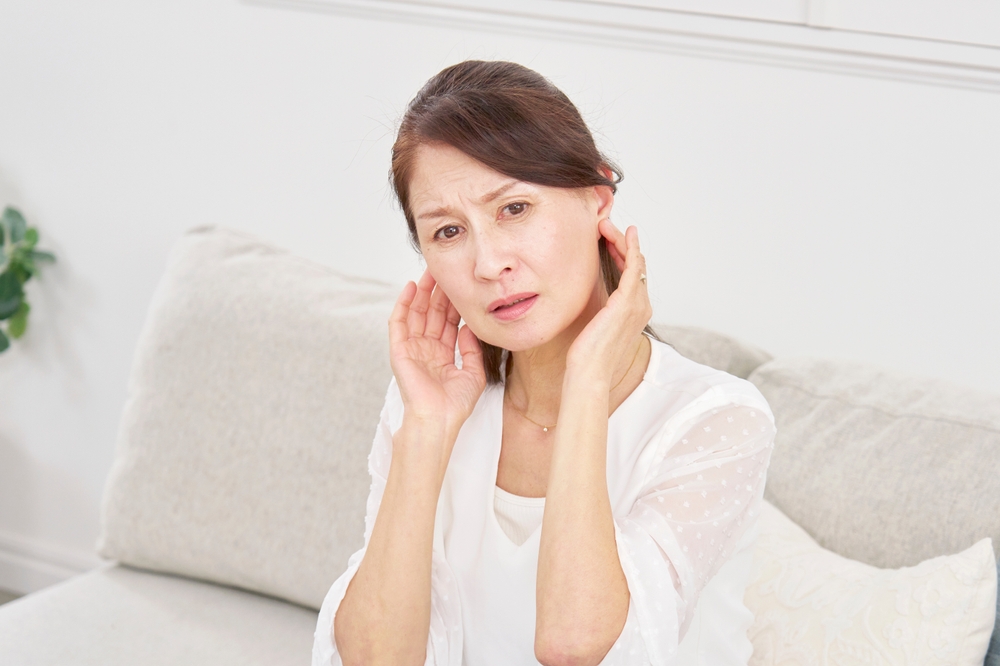
Waking up at the start of the day and realizing you have lost your hearing is an alarming scenario for anyone. This type of hearing impairment is remarkably rapid, often appearing without prior warning signs or advanced signals. While simple blockages are frequent, more critical auditory conditions demand a swift medical evaluation.
Understanding the primary causes of sudden hearing loss and understanding how to act can be vital in the outcome. In the following sections, we break down the nature of sudden hearing loss, its potential origins, and the criteria for professional consultation.
What Is Sudden Hearing Loss?
Clinically, sudden hearing loss is defined as an increased reduction in hearing function occurring almost instantly or over a 72-hour period. While most patients experience this in one ear, it can occasionally manifest in both simultaneously. Some people notice muffled sound, while others experience a ringing sensation known as tinnitus, fullness in the ear, or difficulty understanding speech.
Identifying Sudden Sensorineural Hearing Loss
Among all triggers, SSHL requires the most immediate clinical assessment.
The condition is rooted in physiological issues affecting the cochlea, hearing nerve, or neural pathways. Though an exact etiology is often unknown, several factors are frequently identified as likely drivers:
- Vascular restrictions affecting auditory nerve function
- Internal swelling and abnormal immune system activity
- Viral infections
- Disruptions in neural signaling
Since the window for successful treatment is so narrow, SSHL is handled as an urgent crisis where early care dictates the outcome.
Infection-Based Auditory Loss
Pathogenic activity often leads to swelling in the auditory canal, resulting in significant auditory changes.
Viruses associated with sudden hearing changes include:
- Typical respiratory tract pathogens
- Systemic flu-related inflammation
- The herpes family strains
- Likely auditory complications following COVID-19
Patients might notice hearing shifts as a virus resolves, often coupled with a sense of instability or pressure.
Hearing Loss Resulting from Physical Injury
Significant head trauma, sudden pressure fluctuations, or noise-based shocks are proven to damage the sensitive components of the hearing system.
Trauma-related causes include:
- Severe brain injuries or concussions
- Sudden shifts in ear canal pressure
- High-decibel acoustic trauma
- Inner ear fluid disruption
Don’t ignore minor trauma, as fast hearing changes post-injury often signal underlying damage.
Conductive Blockages: The Role of Earwax
Impacted earwax, while easily treated, can mimic the symptoms of critical sudden hearing conditions.
When wax is the main cause, the hearing change may:
- Manifest with surprising speed
- Sensation of fullness or pressure
- Be more pronounced on the left or right
- Resolve once the blockage is professionally removed
It is essential to remember that home evaluation is insufficient for determining the true source of sudden deafness. That’s why professional evaluation is critical.
Additional Factors in Rapid Auditory Decline
Secondary factors to sudden hearing loss may include:
- Adverse effects from specific pharmaceuticals
- Vascular irregularities in the auditory pathway
- Immune-mediated inner ear disorders
- Rare growths on the hearing nerve
A thorough diagnostic battery is essential to eliminate these more complex causes.
The Critical Importance of Immediate Intervention
It is critical to understand that delaying evaluation for sudden hearing loss is a major risk.
Fast evaluation can:
- Uncover reversible causes
- Boost the effectiveness of treatment
- Stop additional decline within the fragile inner ear
- Decrease the likelihood of facing permanent communication issues
Audiology testing plays a pivotal role in determining the type and severity of hearing loss and guiding next steps.
When to Seek Immediate Help for Sudden Hearing Loss
Immediate clinical attention is needed if any of the following symptoms manifest:
- Abrupt hearing loss in one or both ears
- Hearing impairment coinciding with balance instability
- A sudden sensation of ringing or intense aural pressure
- Hearing loss after illness or injury
Though hearing returns partially, evaluation is still important to find out what’s going on.
How Hearing Tests Provide Immediate Solutions
Audiology diagnostics can quickly clarify whether hearing loss is:
- A conductive issue involving the middle ear or auditory canal
- A sensorineural problem involving delicate neural pathways
- A reversible shift or a lasting auditory decline
Early testing supports faster treatment decisions and better outcomes.
Why Immediate Action Is the Best Response
It is normal to feel panicked by sudden deafness, but immediate professional help offers the best chance for success.
Securing an expert assessment following a sudden auditory shift is the only safe way to safeguard your long-term wellness. We’re here for you if you experience sudden hearing loss: Call our care team as soon as possible at our office for the help you need.