
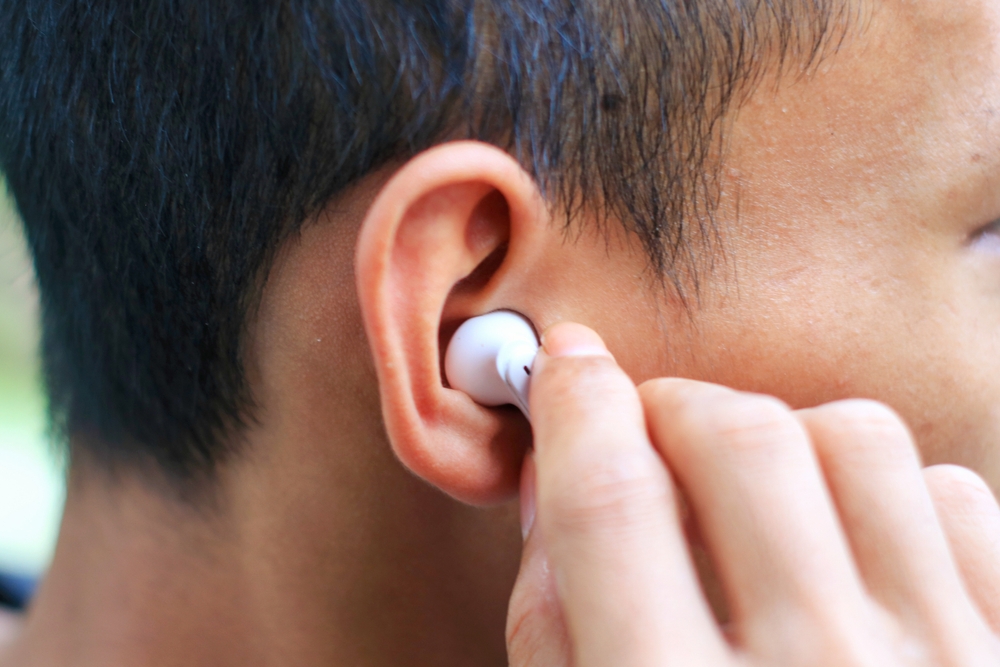
In modern public spaces, the sight of a young person without some form of in-ear audio is rare. While traditional headphones are more substantial in size, adolescents frequently utilize them to create a private acoustic environment. While acoustic enjoyment is universal across all ages, the youth population often utilizes music as a primary tool for time management. Does the immediate physical closeness of these transducers to our ears result in measurable hearing loss? Clinically speaking, the hardware is not the culprit; rather, the risk lies in human behavior and exposure levels.
The Risks of Prolonged High-Decibel Exposure
The psychological impact of music varies, serving to calm the nerves, provide emotional solace, or increase physiological arousal. Much depends on the rhythm and volume of the content being consumed. Using a headphone or an earbud is a polite way to listen without disturbing others. That’s a positive thing, and most people will tell you that they are grateful and prefer that on a train or bus.
The primary clinical concerns center on the precise limits of sound pressure and the length of the listening session. The biological fact is that high-intensity sound waves are inherently damaging to the auditory system. When you listen for too long a time and at a very loud volume, you can irreparably damage your hearing. The onset of **Noise-Induced Hearing Loss** is insidious, meaning significant damage often precedes clinical awareness.
Why Earbuds Pose a Unique Threat to Hearing Health
High volume stands as the most significant threat to the preservation of hearing sensitivity. Despite this, the cumulative hours of exposure are just as dangerous as a single loud blast.
- The National Institutes of Health (NIH) recommends listening at below 70 decibels. Even after long exposure, you won’t have any hearing loss.
- High-intensity sound waves cause cellular damage in a fraction of the time required by moderate sounds.
- Implement the 60/60 safety protocol by capping volume at 60% and taking a break every 60 minutes.
- Ensuring long-term hearing health requires a proactive reduction in volume and strict limits on listening time.
Indicators That You May Need a Hearing Evaluation
Experiencing aural fullness, persistent **tinnitus**, or difficulty deciphering dialogue in crowds suggests it is time for a clinical hearing test.
Contact our office today if you suspect you may have hearing loss.