
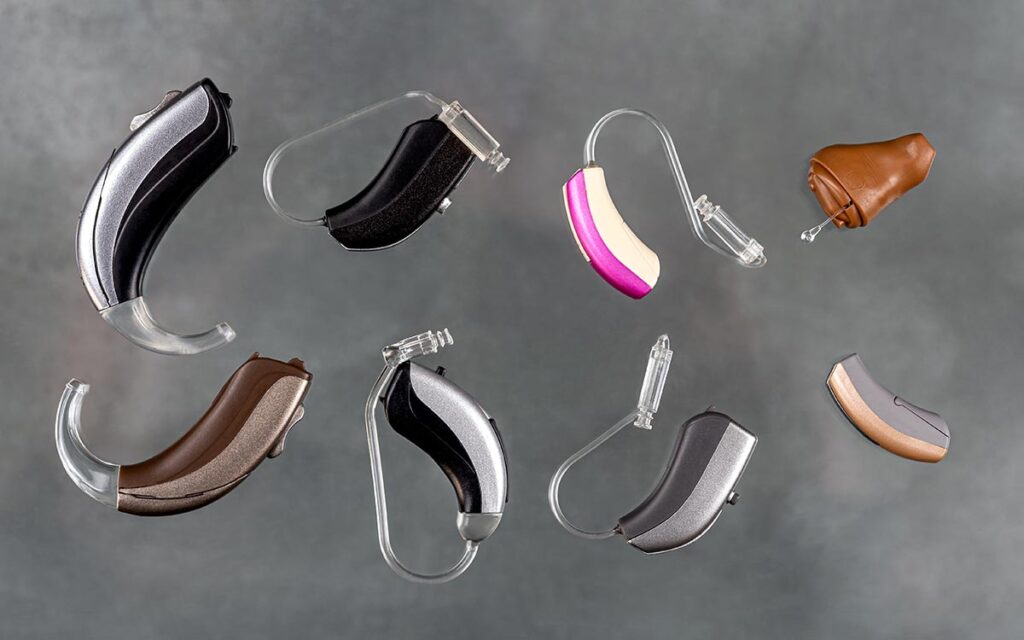
Selecting the right hearing aid can be a daunting task, given the vast array of styles, sizes, and technological features available in modern devices. Rest assured that there is a hearing device customized to every lifestyle and degree of impairment. The key is merely choosing the one that fits you best.
By learning about the distinctions between various hearing aid models, you can move forward with greater confidence and knowledge. This guide explores the most common styles and highlights the specific advantages each one offers.
In-the-Canal (ITC) Hearing Aids
What they represent:
These hearing aids are positioned partly inside the canal, making them visible only slightly from the outside.
Why users select them:
- Highly discreet than larger models
- Individualized shaping ensures long-term wearing comfort
- Works effectively for individuals experiencing mild hearing challenges
Because they provide both discretion and helpful features, ITC models are a top pick for those new to hearing technology.
Invisible-in-Canal (IIC) Hearing Aids
Core Characteristics:
IIC hearing aids are the smallest custom style available. They are inserted deep within the canal to remain hidden from view.
Why individuals choose them:
- Offers the most understated look of any hearing aid style
- Strategic placement allows for a very organic listening experience
- A feather-light build renders them easy to wear all day
The small form size of IIC models renders them perfect for mild hearing loss and anyone who values a stealthy hearing solution.
ITE (In-the-Ear) Model Overview
The Basics:
ITE hearing aids fill either the whole outer ear (full-shell) or the lower portion (half-shell). Every unit is specifically customized to match your ear’s unique shape.
The Benefits:
- The larger size makes it possible to include more internal components and longer-lasting batteries
- Ideal for individuals who find smaller devices hard to manipulate
- A versatile choice that can address even significant levels of hearing loss
Users regularly choose these models for their straightforward, single-piece construction that avoids any external wiring or tubing.
BTE (Behind-the-Ear) Basics
Technical Detail:
BTE hearing aids sit comfortably behind the ear. Audio is delivered through an ultra-fine tube or a personalized mold in the canal.
Common Motivations:
- Regarded as one of the most reliable and robust designs available
- Useful for nearly every level of hearing impairment
- Offer room for advanced features and rechargeable batteries
For those who value a dependable device that is easy to manage and provides plenty of volume, BTE is a top choice.
The RIC Style Analysis
Mechanical Setup:
While they resemble BTE units, RIC aids place the speaker directly in the canal for improved sound delivery.
Why users choose them:
- Known for producing some of the most authentic audio in the industry
- Users value the slim profile and comfortable fit for all-day use
- RIC technology is highly flexible for various different audiogram profiles.
RIC devices are one of today’s most common models, thanks to their blend of comfort, aesthetics, and performance.
Understanding Long-Term Solutions
What they represent:
A hearing specialist places these specialized hearing aids deep into the canal, where they remain for multiple weeks.
Why individuals select them:
- Eliminates the need to place in or take out the device every day
- Almost hidden
- You can move about your whole life—including sports and rest—while wearing them
Extended-wear devices are ideal for those who want an effortless approach.
Wireless Smart Connectivity
What they are:
Bluetooth-ready hearing aids enable an electronic bridge between your hearing technology and your smart devices.
Modern Benefits:
- Allows for crystal-clear phone calls and media streamed directly to the device
- Modify settings through a mobile tool
- Enhances daily life by making technology interaction seamless and clear
Most contemporary RIC, BTE, and ITC hearing aids currently offer a Bluetooth-enabled version.
Understanding Middle-Ear Implant Systems
Technical Definition:
This technology requires a surgical procedure to place a device that physically stimulates the bones of the middle ear.
Why implants are utilized:
- Option for those who cannot use traditional hearing aids
- Ideal for users who suffer persistent irritation from standard molds
Middle-ear implants are typically suggested only after a full evaluation by a hearing specialist.
Selecting Your Ideal Auditory Option
Every hearing aid style offers its own benefits, and the right option depends on your level of hearing loss, comfort preferences, lifestyle, and cosmetic considerations. A hearing care professional can guide you through your choices, answer questions, and help you experience how different devices look and feel.
Start moving toward a world of better sound by arranging a consultation with a hearing specialist. It’s a great first move toward better hearing and more confident communication every day.
Sources:
https://www.mayoclinic.org/diseases-conditions/hearing-loss/in-depth/hearing-aids/art-
20044116
https://www.hearinglife.com/hearing-aids/types
https://www.nidcd.nih.gov/health/hearing-aids