
When your hearing feels obstructed, it can interfere with your daily routine and leave you feeling withdrawn from your environment. While the anxiety of permanent hearing deterioration is a common first reaction, the actual culprit is frequently a simple accumulation of canal debris.
Grasping the distinction between cerumen blockage vs. hearing loss can help you know when a simple solution is possible and when it’s time to seek a hearing assessment. Avoid the urge to worry if your hearing feels suddenly diminished. A clinical assessment will provide the definitive answer, but the following resource details the main variations between blockage-based issues and permanent loss.
What Earwax Buildup Feels Like
Cerumen is actually a healthy, natural substance intended to protect the ear canal from particles and external debris. Issues arise when excessive wax accumulates or turns clogged.
Typical indicators of an impaction include:
- A significant decrease in hearing level
- A feeling of fullness or clogging in the ear
- General ear irritation or minor aching
- Internal ringing within the impacted ear
- Sound sharpness that changes or improves briefly with chewing
A hallmark of wax-induced sound changes is asymmetry, typically affecting one side over the other. Luckily, once excess wax is safely extracted, hearing often returns to baseline right away.
How Auditory Loss Typically Presents
Hearing loss, particularly age-related or trauma-based hearing loss, has a tendency to develop gradually and doesn’t improve when the ear is cleared.
Indications of irreversible auditory decline often involve:
- Difficulty comprehending speech, especially in loud environments
- Constantly asking people to restate themselves
- Turning up the TV or smartphone volume higher than people desire
- Trouble catching high-frequency sounds like nature or children’s voices
- A symmetrical reduction in hearing function in both sides
Importantly, auditory loss is a clarity issue that seldom involves the perception of physical pressure found with cerumen.
Quick Guide: Cerumen vs. Auditory Decline
By analyzing the onset and particular symptoms, you can often determine which condition is affecting you:
- Timing: Cerumen blockages often come on abruptly; auditory impairment progresses slowly
- Permanence: Obstructions are a fast fix, while sensorineural loss needs ongoing care
- Markers: Pressure suggests a blockage; struggling with speech precision points to impairment
- Ear Balance: Unilateral muffled sound suggests wax, while both sides point to hearing loss
The Risks of At-Home Cerumen Removal
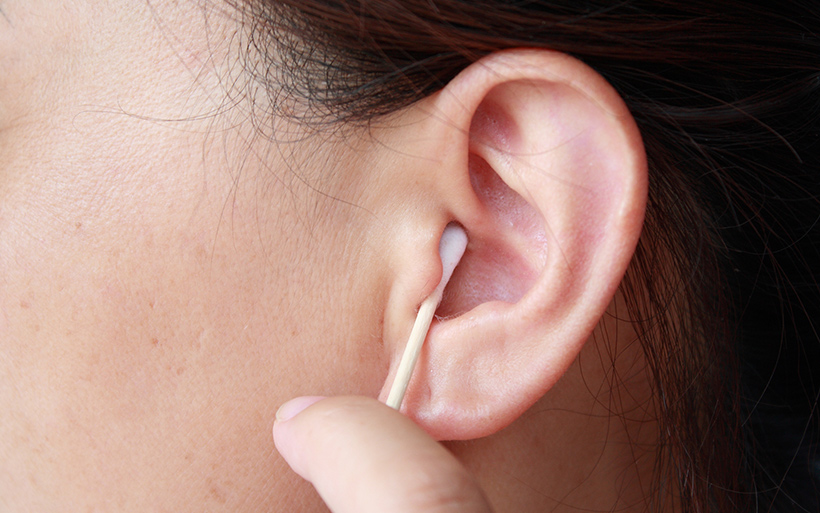
It’s tempting to assume cerumen is the culprit — and reach for Q-tips or store-bought kits. Using foreign items typically pushes the plug further into the canal, heightening the risk of trauma.
According to the National Library of Medicine, inserting items into the ear canal raises the likelihood of impaction and trauma.
Similarly, neglecting initial auditory decline can delay care that helps in preserving interaction, security, and well-being.
Ways a Clinical Evaluation Assists
A quick clinical check-up is the primary way to confirm if wax is actually the cause of your muffled hearing.
When cerumen is the issue, clinical irrigation or manual removal provides instant resolution.
If no cerumen is detected, a formal audiogram will be used to identify the type and degree of any underlying loss.
Experts urge an instant hearing check if you find yourself failing to communicate or manage your surroundings.
Final Points on Cerumen and Auditory Wellness
Feeling as if sounds are dull doesn’t always signify a lasting loss.
It is often the reality that a basic, treatable obstruction is the root of the concern.
Seeking professional care ensures you locate the specific source and the right remedy for your auditory requirements.
Ultimately, an audiology exam is the single reliable way to distinguish between a temporary blockage and a permanent shift.
Treating the concern immediately halts the anxiety of the unknown and places you on the path to better hearing.
If your auditory sense seems off, avoid guesswork. A brief exam can provide all the difference, so reach out to our team of specialists today.