Prolonged exposure to loud noise can take a heavy toll on your hearing health, especially in environments where sound levels surpass safe thresholds. You must protect your ears; this is key for more than preventing hearing loss—it also helps you keep focus despite noisy conditions. So, how do you choose the appropriate level of hearing protection for your requirements?
Understanding noise levels and their impact
Noise damage relies not only on the loudness of the sound but also on how much time you are exposed to it. Decibels are the main unit for measuring sound levels and measuring sound volume. Once noise reaches a level of 85 dB or above, it creates a danger to your hearing, mainly if the exposure is lengthy.
As a frame of context, 85 dB is about the same volume as the sound of city traffic perceived from within a car. Though this loudness might not seem excessive, spending eight hours in it continuously can cause hearing impairment. As the sound intensifies, the duration of time you can be exposed safely decreases:
- Exposure to 90 dB (the sound of a Lawnmower) for more than 4 hours could be damaging.
- 100 dB (Power tools): Limit exposure to 1 hour or less.
- Only 15 minutes of exposure to 110 dB (like a Leaf blower) is enough to cause harm.
- Even momentary exposure to 120 dB (e.g., a Rock concert) is enough to cause hearing damage.
- 140 dB (Jet engine): Immediate damage and pain can occur.
Recognizing hazardous sound volumes
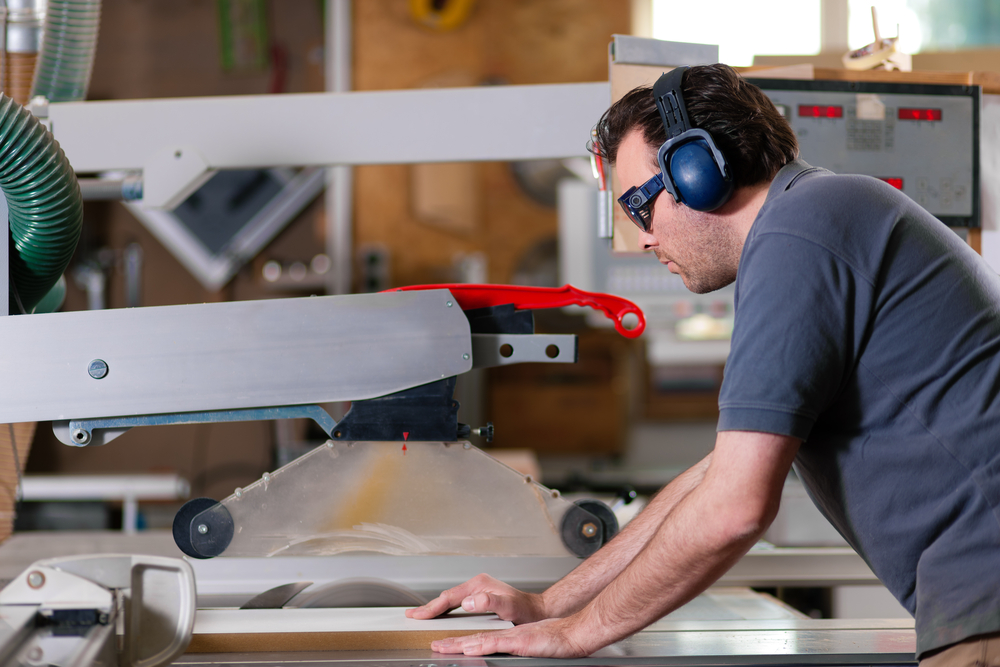
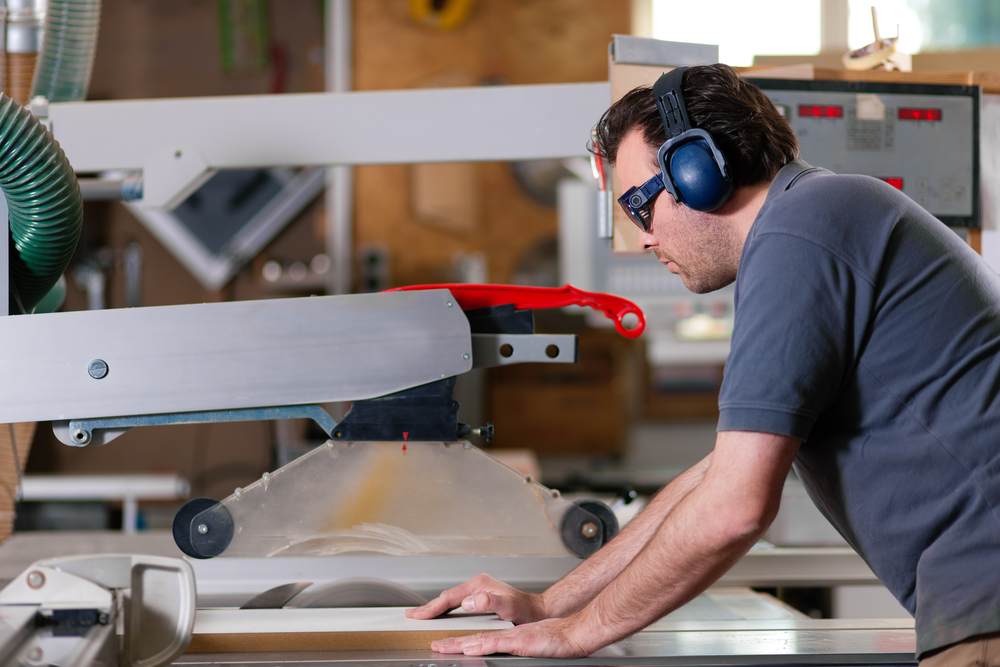
Anyone routinely around noise at 85 dB or higher, hearing protection becomes a vital requirement. The requirement for protection is heightened in work environments, including factories and construction, or in any place where machinery, equipment, or tools create major noise.
Hearing protection is also useful outside of the job; activities like attending music shows, operating leaf blowers, or participating in shooting sports can expose you to unsafe sound levels.
Selecting hearing protection: Noise Reduction Ratings
We evaluate the performance of hearing protection through its Noise Reduction Rating (NRR). Given in decibels, this figure tells you the degree of sound reduction the protective unit is able to block. The larger the NRR, the better the protection against noise. As an example, earplugs rated at 30 dB NRR will lower an 85 dB noise to 55 dB, ensuring you remain safely below the danger threshold.
When deciding on your protection, you should assess the specific noise intensity you are exposed to and confirm the protector provides the necessary blockage to keep the sound below 85 dB.
The critical role of comfort in uninterrupted protection
The NRR is clearly significant, but comfort is an equally significant component in achieving continuous, sustained use. An uncomfortable or awkward protective gear increases the inclination to remove it, which exposes your ears to hazardous noise.
Choosing well-fitting hearing protection results in steady wear, thus reducing the danger that you will be exposed to noise periodically. For instance, if earmuffs are too bulky or lead to discomfort, you may be inclined to remove them periodically, exposing your ears to dangerous noise levels.
The main types of hearing protection equipment
A variety of hearing protection options are on offer, all with their own set of advantages and cons:
- Offering superior noise reduction, Foam Earplugs are placed inside the ear canal. While they are lightweight and disposable, some wearers may experience discomfort.
- Pre-Molded Earplugs: These rest just outside the ear canal and are reusable, making them a more sustainable option. They’re easier to insert and remove compared to foam earplugs.
- Covering the whole ear, Earmuffs are perfect for settings where noise volume changes, as they can be easily removed and replaced. Their drawbacks include potentially feeling warm or heavy over a long period.
Choosing the right type is based on your comfort and the demands of your setting. An example is construction workers favoring earmuffs for their easy convenience, while factory workers may opt for earplugs for a continuous period of wear.
The importance of uninterrupted protection
The most reliably effective hearing protection is the one you’ll wear without fail. Even a brief period without protection can cause permanent consequences on your auditory health. A device that successfully merges convenience, protection, and comfort is, as a result, critical.
Securing your auditory health
While noise is ever present in our daily lives, using the correct hearing protection allows you to safeguard your ears and continue to enjoy the sounds of the world.
Connect with us now to review your risk of noise-induced hearing loss and find out how to effectively maintain your hearing health.